Now or Never Radio, an Environmental Podcast
This was home to Now or Never Radio, an environmental podcast. Content is from the site's archived pages.

Two Clean Tech Venture Capital Investors Talk Shop
03.22.12: How much can cleantech investing change with geographic region, culture and market? Potentially, a lot. Sarah Bacon talked with two cleantech employees and reports back.
· · · · · · · · · · · · · · · · · · · · · · · · · · · · · · ·
There’s Gold in that Grease Trap!
2.10.12: In the latest installment of Ask The Expert, producer Ben Pomeroy visited with Emily Landsburg, CEO of Black Gold Biofuels to learn more
· · · · · · · · · · · · · · · · · · · · · · · · · · · · · · ·
Eco-Horror Director Larry Fessenden
1.18.12: Film director Larry Fessenden (pictured above) boasts a prolific career scaring people. Of all the horrors he been part of, Larry may be most fearful of stuff like this.
· · · · · · · · · · · · · · · · · · · · · · · · · · · · · · ·
Zero Waste in Boulder, CO. Really?
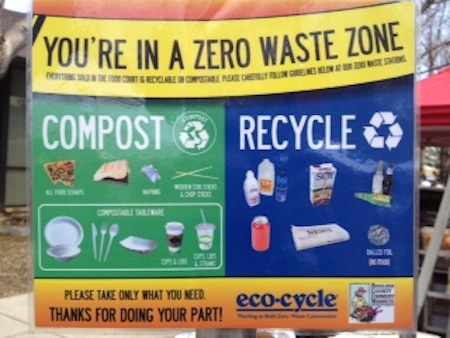
05.23.12: Boulder, Colorado is one of a handful of U.S. cities with a Zero Waste policy, a municipal commitment to divert as much of the waste stream as possible from landfilling and incinerators. Even though Boulder has a long history of environmentalism, the state of Colorado has some of the lowest landfill tip fees in the country. So how does Boulder do it?
NNR host Sarah Bacon visited Boulder and met a few of the key players in the city’s trash sector. She talked with Kara Mertz, Director of Environmental Action for the City of Boulder about how the program works and barriers to success, and with Shaun LaBarre Director of ReSource, a local building material and housewares salvage operation. We also asked a Boulder local, Simon Taranto, about the Zero Waste lifestyle…
What it Takes to LEED
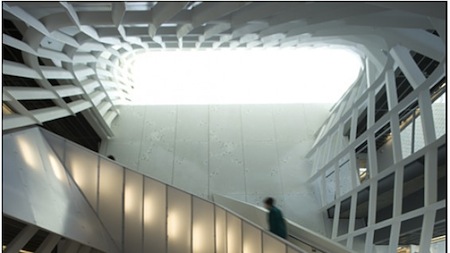
4.30.12: Seven World Trade Center, the Empire State Building, and 41 Cooper Square are all LEED certified. LEED, Leadership in Energy and Environmental Design, is a point-based rating system established by the U.S. Green Building Council to drive energy and resource efficiency innovation in the construction and building industry. LEED certification has become a proxy mission statement for energy efficient buildings made with sustainable materials, nontoxic components, and airy, daylit working environments. But LEED is often criticized for encouraging “point chasing.”
NNR producer Sarah Bacon spoke with four LEED industry experts to understand the differences between certification levels; why developers would seek LEED certification and why some choose not to, and the importance of a post-occupancy performance. She met Jody Grapes, Director of Facilities Management at The Cooper Union’s LEED Platinum 41 Cooper Square Chris Garvin, Partner at planning and design firm, Terrapin Bright Green; Brooks Perlin, CFO of ECO Supply, a green building materials vendor, and green developer Seth Brown, CEO of Aspen Equities.
Two Clean Tech Venture Capital Investors Talk Shop
03.22.12: How much can cleantech investing change with geographic region, culture and market? Potentially, a lot. Sarah Bacon talked with two cleantech investors working in vastly different entrepreneurial landscapes, co-founder and investment director of Sustainable Technologies Fund in Stockholm André Heinz, and partner at Aquillian Investments, Bill Tarr, in San Francisco. We covered the pace of deal flow, sustainable mindsets, technologies borne of resource availability, government policies, and more.
Cradle to Cradle at the Brooklyn Navy Yard
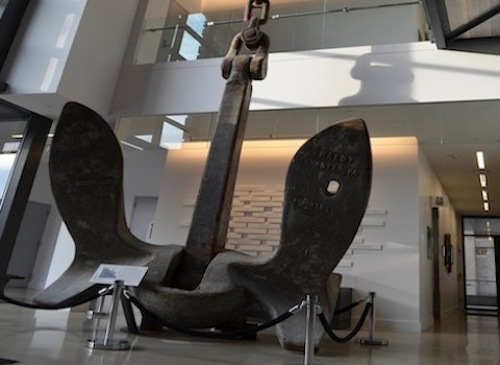
2.24.12: NNRProducer Ben Pomeroyvisits the Brooklyn Navy Yard ,a300 acre industrial park in the heart of New York City which has been overhauled with solar street lamps, rainwater harvesting, and other sustainable features to accomodate 6,000 occupants.
Ben talked with a handful of the Yard’s 275 tenants about their sustainable business models, including sculptor Michelle Green, the VP of exhibitions and programs at the Navy Yard’s museum Building 92, and IceStone, the manufacturer of durable recycled glass countertops.
Walk the Sustainable Scavenger Hunt with Ben.
Photo: Ben Pomeroy
There’s Gold in that Grease Trap!
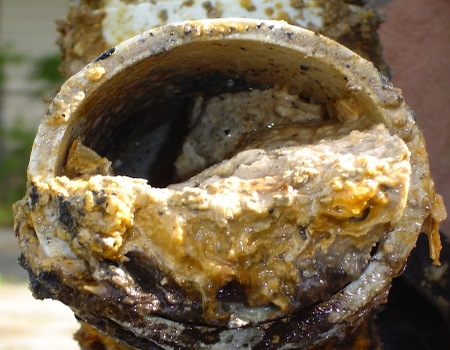
2.10.12: In the latest installment of Ask The Expert, producer Ben Pomeroy visited with Emily Landsburg, CEO of Black Gold Biofuels to learn about the infrastructure scourge and energy potential of used cooking oil’s less glamorous cousin, restaurant grease trap waste. Unlike yellow grease from cooking oil, grease trap waste had no practical applications until Landsburg and her company created one that’s now adding value for towns and cities. Pomeroy presented Landsburg a NONR Recognition Certificate, and some very good press for her company.
More Background On NowOrNeverRadio.org
NowOrNeverRadio.org served as the digital home of Now or Never Radio, an independently produced environmental podcast that flourished in the early 2010s. The show provided in-depth explorations of sustainability, clean technology, urban environmental policy, and the human stories behind ecological innovation. Although the website now functions as an archival space rather than an active production hub, its content continues to offer an invaluable snapshot of a pivotal moment in environmental discourse, when sustainability was rapidly becoming part of mainstream conversation.
This article presents a detailed portrait of the podcast and its impact—covering ownership, production background, popularity, themes, location context, history, goals, reviews, cultural significance, and much more.
Ownership and Production
Now or Never Radio appears to have been independently operated, with no indication of backing from a major media corporation. The show’s primary creative forces were:
-
Sarah Bacon – Frequently referenced as host, interviewer, and founder.
-
Ben Pomeroy – Producer, reporter, and interviewer who conducted on-site segments and expert conversations.
Professional listings from the period identify the show as a small media operation with only a handful of contributors. This intimate production structure is reflected in the tone of the episodes: conversational, curious, and grounded in real-world engagement rather than corporate-style scripting.
The podcast reflects the ethos of many early 2010s digital media ventures—nimble, self-directed, and driven by passion rather than commercial scale.
Location and Geographic Context
Although the show’s digital nature helped it reach a wide audience, its reporting reveals frequent engagement with U.S. locations, particularly:
-
New York City, where producer Ben Pomeroy conducted coverage at the Brooklyn Navy Yard.
-
Boulder, Colorado, where the team examined local zero-waste initiatives.
-
Broader national contexts involving sustainability businesses, urban planning case studies, and technology innovators.
The hosts’ professional backgrounds and references suggest the production was U.S.-based, likely with roots around New York. The topics explored, however, extended beyond geographic borders and included international perspectives on sustainability, clean-tech investment, and global environmental thinking.
History and Timeline
Though exact launch dates are undocumented, the available archived episodes show regular publication during 2010–2013, a period marked by profound shifts in public environmental consciousness. Episodes posted on the site carry publication dates such as:
-
January 2012
-
February 2012
-
March 2012
-
April 2012
-
May 2012
These dates reflect the show’s active window and align with the early rise of podcasting as a newly democratized medium—before the explosion of professionally produced podcasts around 2015 and onward.
The website explicitly notes that its contents are archived pages, indicating that the show is no longer producing new episodes. Nevertheless, the archive remains accessible and continues to be cited in conversations around sustainability communication.
Goals and Mission
Now or Never Radio’s purpose can be distilled into several core objectives:
1. Making Environmental Issues Accessible
The show framed complex topics—such as zero-waste policy, clean-tech finance, LEED building certification, or industrial resource reuse—in a format designed for everyday listeners rather than specialists.
2. Highlighting Real-World Innovations
Many episodes featured on-site interviews, showcasing real businesses, municipal offices, non-profits, or redevelopment projects. This grounded approach helped illustrate how sustainability plays out in practice.
3. Presenting Solution-Oriented Narratives
Rather than dwelling exclusively on environmental problems, the show emphasized practical pathways, creative solutions, and promising opportunities for change. The tone aimed to inspire rather than alarm.
4. Bridging Policy, Business, and Community
Episodes recurrently wove together perspectives from multiple sectors—government officials, entrepreneurs, researchers, city planners, and everyday workers. This multifaceted view mirrored the complexity of real environmental problem-solving.
5. Encouraging Awareness and Action
By spotlighting innovators and city-scale projects, the show subtly encouraged listeners to adopt more sustainable behaviors, support green initiatives, or explore careers in environmental fields.
Episode Themes and Content “Menu”
NowOrNeverRadio.org offered a wide-ranging set of episodes exploring the intersection of policy, innovation, and ecology. Although not presented as a formal menu, the archived episodes form a clear catalogue of topics.
Zero Waste and Municipal Policy
An in-depth exploration of Boulder, Colorado’s zero-waste strategy stands out as one of the podcast’s most memorable episodes. Interviews included:
-
Boulder’s Director of Environmental Action
-
A salvage-yard operator
-
A citizen practicing zero-waste living
The segment illustrates tensions between policy goals, practical infrastructure, community engagement, and economic realities.
Clean Technology Venture Capital
One episode explored how clean-tech investment varies dramatically by region and culture. Conversations with investors from Stockholm and San Francisco showcased:
-
Differences in government incentives
-
Varying paces of technological adoption
-
Contrasts in entrepreneurial culture
-
Resource availability and market behavior
This business-oriented content added breadth beyond typical environmental media.
Green Building and LEED Certification
A multi-interview feature delved into the meaning and impact of LEED certification, discussing:
-
The difference between LEED Silver, Gold, and Platinum
-
Why some developers pursue certification
-
Why others choose not to
-
Whether LEED buildings perform as well in practice as on paper
This was particularly relevant during a time when LEED was becoming a status symbol for corporate and institutional sustainability.
Industrial Redevelopment: The Brooklyn Navy Yard
A compelling on-site episode toured a 300-acre industrial park in New York City undergoing sustainable transformation. Featured subjects included:
-
Artists
-
Manufacturers
-
Nonprofits
-
Museum operators
-
Recycled materials companies
Segment themes included solar streetlights, rainwater harvesting systems, historic building preservation, and circular-economy business models.
Waste-to-Value Innovation (Grease Trap Episode)
One episode explored the scarcely understood world of restaurant grease-trap waste. Highlights included:
-
Why traditional waste systems overlooked this material
-
How one company transformed it into a renewable energy feedstock
-
The technical and economic challenges of scaling such a process
This innovative topic showcased the show’s ability to identify underreported but important sustainability challenges.
Audience and Popularity
Exact listener numbers are not publicly available, but contextual clues suggest the podcast cultivated a dedicated niche audience, likely including:
-
Sustainability professionals
-
Environmental policy students
-
Urban planners
-
Architects and LEED professionals
-
Clean-tech investors
-
Activists and community organizers
-
Environmentally engaged general audiences
The show’s thoughtful depth and expert-driven content indicate that its audience valued substance over superficial “green lifestyle” messaging.
While it may not have achieved mass-market recognition, its influence within sustainability-oriented circles appears significant.
Press, Reviews, and Public Recognition
There is no indication the show received formal podcast awards or widespread media coverage. This is unsurprising given:
-
The era (early 2010s)
-
The independent production model
-
The niche subject matter
However, the show was referenced by environmental organizations and sustainability professionals. Its hosts appear in professional listings as founders or contributors to the project, indicating recognition within industry networks.
The absence of commercial awards does not diminish the show’s role in elevating conversations around urban sustainability and clean-tech innovation during a formative period.
Cultural and Social Significance
The importance of Now or Never Radio lies in the unique niche it carved out:
1. A Snapshot of Early-2010s Environmental Discourse
The show captured an era when:
-
Sustainability was moving from fringe concern to public priority
-
Cities were experimenting with early zero-waste models
-
Clean-tech investing was emerging
-
LEED and green building were becoming mainstream
-
Circular economy concepts were gaining traction
The archive is a valuable time capsule of this transition.
2. Democratization of Environmental Media
The podcast showcased how small teams could produce high-quality sustainability journalism without institutional backing.
3. Real-World Accessibility
The on-site reporting style helped listeners connect abstract environmental ideas to tangible places, businesses, and people.
4. Cross-Sector Literacy
By integrating voices from government, business, engineering, design, and community groups, the podcast encouraged listeners to understand sustainability as a multi-dimensional practice.
5. Inspiration for Future Communicators
Today’s sustainability content creators—across social media, journalism, podcasting, and educational media—can learn from Now or Never Radio’s commitment to:
-
Authenticity
-
Expert voices
-
Real-world relevance
-
Cross-disciplinary storytelling
Legacy and Continuing Value
Even though NowOrNeverRadio.org is no longer updated, the archival content maintains value for:
-
Educators developing environmental policy or sustainability curricula
-
Students studying urban planning or green innovation
-
Podcasters examining the evolution of early sustainability media
-
Businesses researching historical perspectives on policy trends
-
Individuals seeking substantive environmental storytelling
Rather than fading into obscurity, the archived site remains a resource for understanding how sustainability narratives were shaped in the early digital-media era.
Now or Never Radio stands as a thoughtful, independently produced environmental podcast that made meaningful contributions to sustainability conversations during the early 2010s. Through accessible storytelling, expert interviews, on-site reporting, and a focus on solutions, the show bridged the gap between environmental policy, clean-tech innovation, and real-world lived experience.
Though no longer active, NowOrNeverRadio.org endures as an important archive: a blueprint for mission-driven media and a valuable historical record of sustainability discourse at a transformative time.